I have long nurtured a fascination with mass transit systems. I can't quite say why, nor can I pinpoint when it started, but I think I first became conscious of it while studying abroad in
Alcalá de Henares, a suburb of Madrid.
A "suburb" in Spanish is called a
cercanía, and
Cercanías is what they call the regional rail networks in Spain. The Cercanías trains are what we would take from Alcalá to get into Madrid. It was four years ago, but if I stop to think about it, I can still hear
the voice that announces the stops in that beautiful Castilian Spanish,
theta and all:
Próxima parada: Torrejón de Ardoz.My love for the
Madrid Metro was instantaneous. One of the oldest Metro systems in the world (first opened in 1919), it's sleek, efficient and enormous. My
explorer buddy and I had many an adventure navigating the capital city via its underground labyrinth of
Atochas and
Sols and
Nuevos Ministerios. Years later, while Julie was again living in Spain, she sent me the link to
Red Retro: a sort of underground (pun intended) guerrilla art project involving altering the names of Metro stations. A
delightful endeavor, if you ask me.
When we arrived in
Barcelona at the end of our 2004 stay in Spain, we realized just how accustomed we had become to the Madrid Metro: we experienced some embarrassing difficulty entering the
Barcelona Metro, since the turnstyles, in relation to where you inserted your ticket, were oriented opposite the way they had been in Madrid. The Barcelona Metro has a different flavor: it's smaller than Madrid's, and everything is in three languages. The
Catalan influence means that "
RENFE" (originally an acronym for the Spanish National Rail Network) is pronounced with a
schwa at the end (which is a shocking phenomenon when you have been hearing only Spanish for the last three months), and that Metro stations have names like
Paral•lel. Yes, that's really how it's spelled.
I take a certain pride in having experienced several mass transit systems around the world, from the smooth and sometimes architecturally grandiose Washington DC
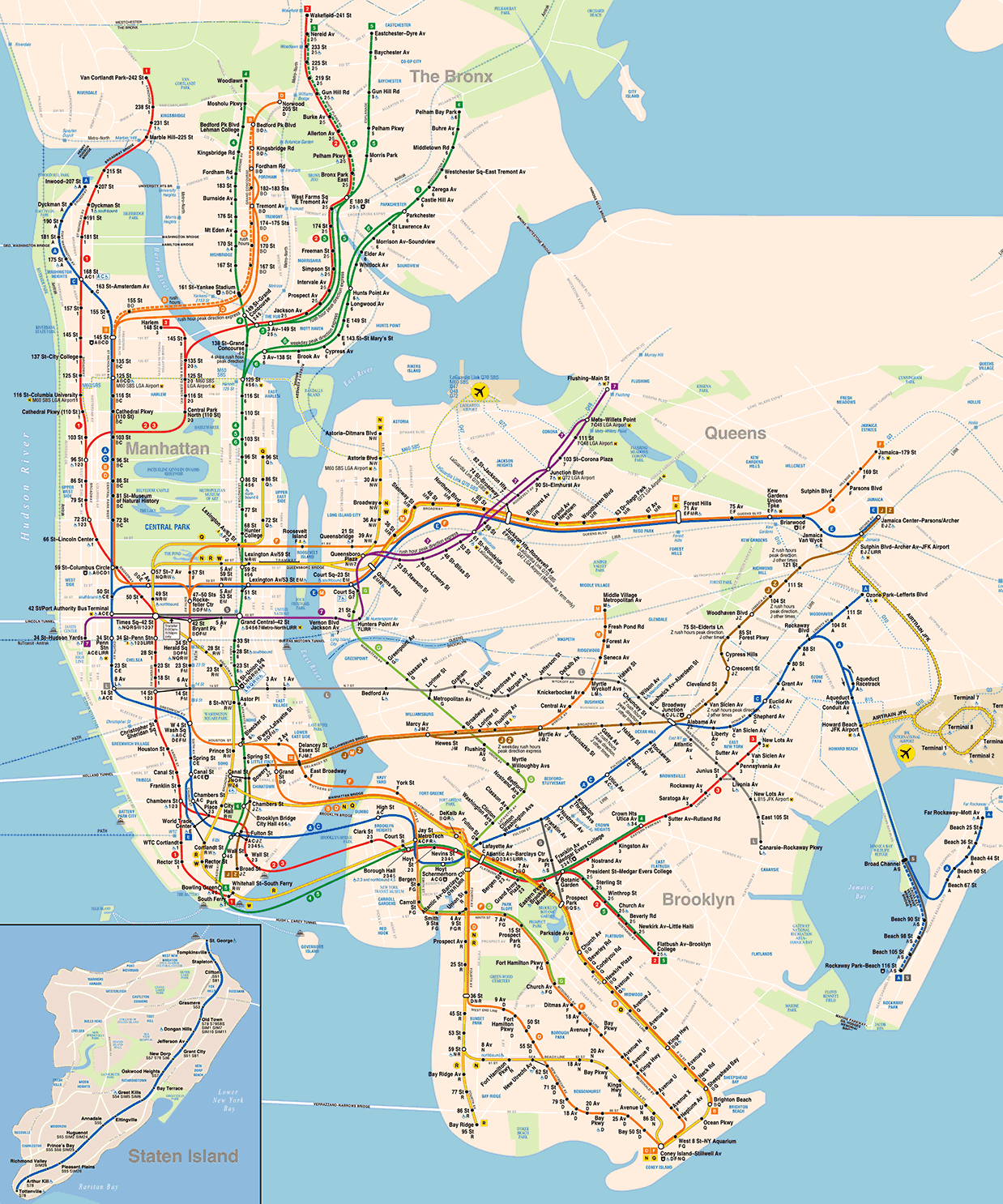
Metro of my homeland, the somewhat chaotic New York City
Subway, the aging
T of Boston, the endearing
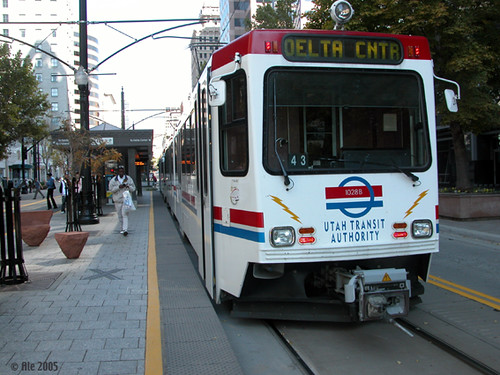
UTA buses in my last area and the promising
TRAX light rail in Salt Lake City, Chicago's
El trains and
Metra commuter rail (which we like to think of as a female Metro), to the reeling speed-racing buses in
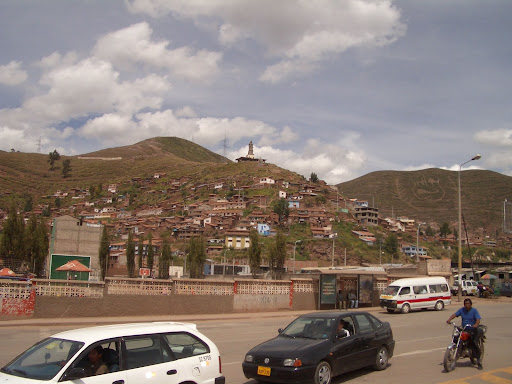
Mérida and the extremely inexpensive but also very scary
"buses" (really just rickety vans crammed with a couple dozen people) in Cusco.
Earlier this year, while I was trying to figure out where I would move to, my research included scoping out the transportation options in a number of potential cities. Underground rail got lots of bonus points, while lightrail and commuter rail were pluses, and buses, well, buses are better than nothing. Somewhere along the line, I came across this
website highlighting artistic and architecturally interesting Metro systems around the world. Yes, that is the kind of thing that catches my eye. That said, it shouldn't surprise you that, the first time I visited the Stanford library, I discovered
this marvelous book and spent a good couple of hours devouring it.
Ultimately, my decision as to where to relocate was not based solely on the modes of transportation available, though the options in the bay area did make the transition to a newfound independence a little easier and more enjoyable (like I said, I really like underground trains). Imagine my joy when, having just arrived from a stronghold of suburban America where I was one of the few supporters of the little bus system that could, I suddenly found at my doorstep: the
BART! the
Muni! the
Caltrain! Not to mention the
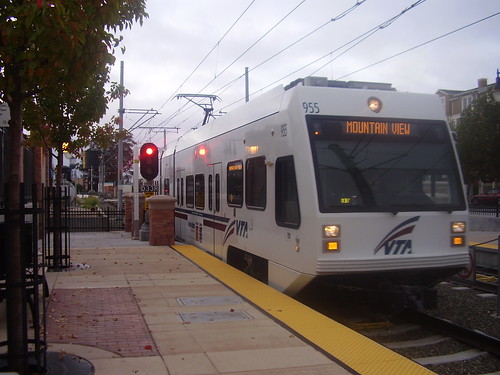
VTA light rail that runs from
Mountain View to San José, which I haven't tried yet, but I look forward to it!

[bart train in
richmond]

When I lived in Provo, I came to love the sound of the
freight train whistle that always reached me in the middle of the night. Here in Palo Alto, I find the sound of the Caltrain whistle comforting. While I lived in San Francisco, I fell asleep listening to the soothing
electric whirr of the Muni light rail which stopped half a block away.
Every day I take the
Marguerite shuttle to work. Every Sunday I take the Caltrain and the Muni to church. I don't even own a car. That's mostly for financial reasons, but also I'm blessed to live in an area where it's not really necessary. My home address scores a 92 out of 100 on the
Walkscore scale - that's a walker's paradise! And I must say it is a lovely neighborhood to walk in. It's nice to be able to run errands on foot, and I feel good about keeping my
carbon footprint from becoming unnecessarily enormous. Even though my family isn't fanatically "green," we have been recycling since I was in kindergarten, and after all, I did grow up in Maryland public schools. We had regular programs entreating us to
save the bay. In recent years my eco-consciousness has become more prominent, partly in answer to the volume of voices speaking up about global warming, partly because it fits in naturally with my fairly simple lifestyle anyway, partly because I've gained a greater sense of responsibility in all aspects of my life, partly because it's sort of stylish, partly because I moved to California and it's easy to do things like buy
organic and
local produce and to power your home entirely on renewable
wind and solar energy.
We live in a nation where many people are used to getting in a car and driving wherever they need to go. If you're one of them, next time you're heading out, I encourage you to try an alternative to driving. Go catch the bus instead; descend into the belly of the earth and discover the experience of slipping through dark tunnels on a high-speed train; hop on the commuter train or the light rail, if your city is blessed with such options. You'll ease the stress on your wallet, on the roads, and on the atmosphere. And who knows, you might just meet someone wonderful who happens to sit next to you on the train.


 Posts
Posts